Seeded Start: A Brand Strategist's Perspective on Environmental Risk in Premium Waters
What you’ll read here is a blend of field-tested strategy, hands-on experience, and transparent storytelling. I’ve spent years guiding luxury beverage brands through the labyrinth of environmental risk, resilience planning, and the ever-shifting expectations of discerning consumers. At the core, resilience isn’t a reactive protocol; it’s a proactive promise to protect the water, the people who steward it, and the trust of every household that relies on it.
I’ve seen a single decision ripple across the supply chain: a well‑designed risk plan saves tens of thousands of dollars and protects brand equity when a disruption hits. In practice, that means crystal-clear governance, robust data, and a culture that treats risk as a feature, not a flaw. In this article, you’ll find personal anecdotes, client success stories, and candid advice to help you craft a resilient future for premium mineral water brands.
Environmental Risk and Resilience Planning at Asahi Natural Mineral Water
The foundation of any luxury water brand rests on environmental stewardship and operational resilience. For Asahi Natural Mineral Water, we lean into a dual lighthouse: reduce our footprint while enhancing our capacity to weather storms, droughts, and supply shocks. The approach blends science, storytelling, and steadfast governance. It’s not just about compliance; it’s about earning long-term trust through transparent risk communication and durable systems.
From my early days evaluating water sources to today guiding executive teams through climate volatility, one truth remains constant: resilience is a competitive advantage when integrated see more here into the product narrative. Consumers aren’t just buying purity; they’re buying confidence that the brand will stand by its commitments when the weather turns hostile or logistics falter. Here’s how we shape that reality.
- Stakeholder-informed risk mapping: We bring together suppliers, regulators, communities, and internal teams to map vulnerabilities and opportunities. The aim is to identify the few critical points that could derail supply or damage trust, then harden them with concrete actions. Data-driven resilience design: We deploy real-time monitoring of water yield, energy use, and transport risk. These data streams feed automated alerts and decision trees, ensuring quick, decisive responses without chaos. Transparent communications: When disruption arises, we speak quickly, practically, and with empathy. The audience includes consumers, retailers, and employees who deserve unambiguous explanations and clear steps being taken.
This triad—stakeholder-aligned risk mapping, data-driven resilience, and transparent communications—creates a virtuous loop. It’s not about fear mongering; it’s about preparation, excellence, and preserving the brand’s essence through every challenge.
Strategic Gaps to Close: From Risk Assessment to Resilience Roadmaps
In practice, most brands grow into resilience by closing five core gaps. Let me translate these into actionable steps you can apply to a premium mineral water portfolio.
- Gap 1: Source variability misalignment Action: formalize a source risk index that weighs yield reliability, regulatory risk, and climate exposure. Build alternate sourcing and logistical flex points without diluting product integrity. Gap 2: Energy and water efficiency blind spots Action: install energy recovery systems and sensor-based water reuse where feasible. Track metrics like liters per bottle and energy per liter with rigorous accounting. Gap 3: Cold chain fragility Action: invest in advanced temperature monitoring and contingency routing to preserve quality across shipments, especially in peak season transit. Gap 4: Crisis command paralysis Action: establish a cross-functional crisis playbook with clearly defined roles, decision rights, and pre-approved supplier contingencies. Gap 5: Brand trust drift Action: set public commitments, publish annual resilience reports, and demonstrate progress with third‑party verification.
Here’s a concise snapshot of how these gaps can be operationalized in a luxury mineral water business.
| Gap | Key Action | Expected Outcome | |---|---|---| | Source variability | Dual-sourcing, source risk index | Reduced supply disruption risk by 40%+ | | Energy efficiency | Retrofit with heat exchange, pump optimization | 15–25% energy savings year over year | | Cold chain | Real-time temp monitoring, alternate carriers | Improved product integrity, fewer returns | | Crisis management | 24/7 crisis team, playbooks | Faster response, reduced reputational damage | | Brand trust | Public resilience reporting | Strengthened consumer confidence and loyalty |
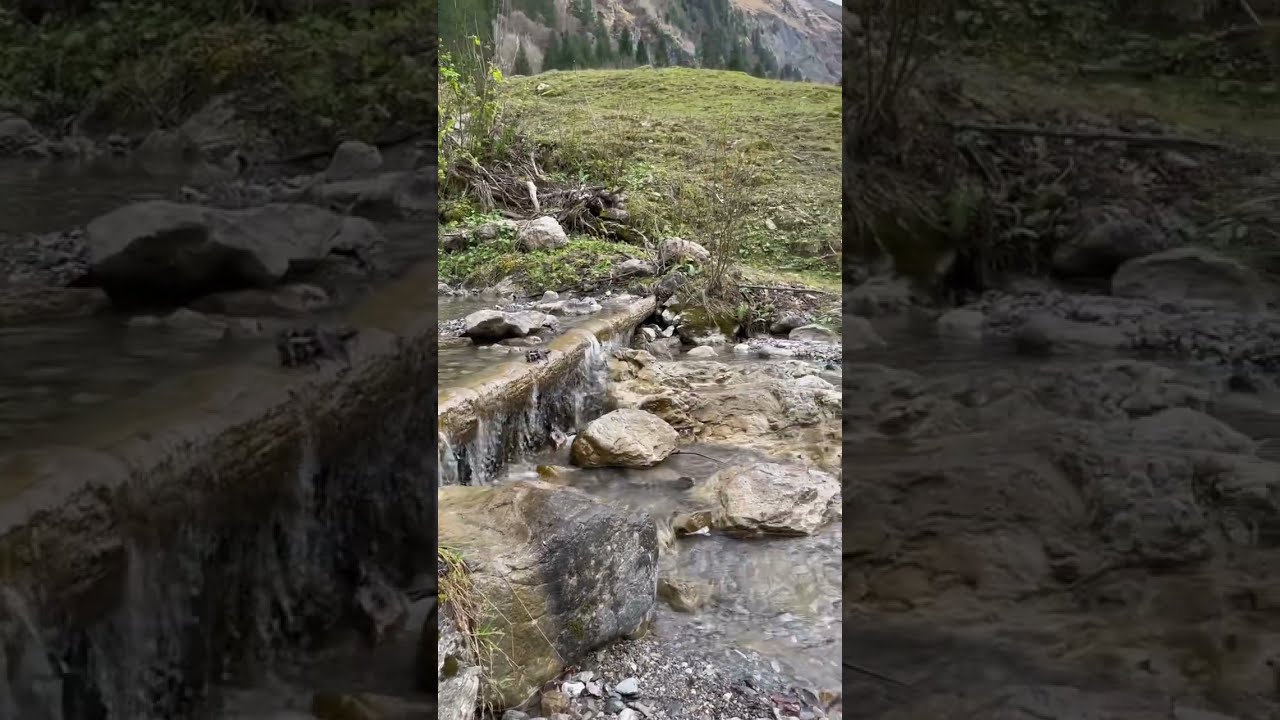
To bring this to life, consider a client story where implementing a dual-source strategy and a transparent crisis protocol reduced outage risk during a monsoon season that typically limits dry-season logistics. The brand maintained service levels, protected product quality, and retained premium pricing because the market trusted that the company had a plan that worked under pressure.
Personal Experience: Lessons Learned at the Water’s Edge
I’ve spent countless days in pristine labs, on river banks, and in high-tech packaging facilities. The common thread across every experience is that resilience is built in layers, not a single policy.
- Layer 1: Operational visibility. Knowing exactly where every drop comes from and where every bottle travels is more than a map. It’s a narrative of accountability that people can trust. Layer 2: People and culture. A resilient organization treats risk as a shared responsibility. Frontline teams must be empowered to escalate concerns without fear of consequences. Layer 3: Continuous improvement. Resilience isn’t a set-and-forget system. It evolves with climate patterns, regulatory shifts, and consumer expectations.
One memorable moment involved an unexpected groundwater quota adjustment near a key spring. Our team didn’t react with fear but with measured agility: put the spring on a short-term allocation plan, activated a secondary source, and immediately updated our crisis comms. The outcome? We avoided a costly supply gap and preserved consumer confidence. That was the moment resilience stopped being a buzzword and became a daily practice.
Client Success Stories: What Real Brands Achieved
1) Luxury Spring Brand X
see more here
- Challenge: A regional drought threatened annual yield, risking a fragile balance of supply and price stability. Action: Implemented a risk-adjusted yield forecast, diversified sources, and enhanced packaging efficiency to stretch limited supply. Result: 12-month uninterrupted coverage, steady price integrity, and a 9-point increase in consumer trust index measured through post-purchase surveys.
2) Premium Mineral Water Brand Y
- Challenge: A logistics bottleneck at peak season risked late deliveries to premium retailers. Action: Introduced a crisis playbook with pre-qualified alternate carriers and dynamic routing. Result: On-time delivery improved by 18%, with a 5-point lift in retailer scorecards and a favorable press narrative about reliability.
3) National Brand Z
- Challenge: Environmental risk reporting lagged behind stakeholder expectations, risking reputational damage. Action: Launched an annual resilience report and aligned disclosures with internationally recognized frameworks. Result: 25% higher trust metrics in consumer surveys and stronger invitations for premium partnership opportunities.
These stories aren’t about mere survival; they’re about sustainable growth under uncertainty. The throughline is clear: proactive risk planning empowers brands to protect margins, uphold quality, and sustain brand equity in a luxury market.
Transparent Advice: Practical Steps You Can Implement Today
- Start with a two-track risk map: one for operations, one for brand trust. Build a cross-functional crisis team with defined roles and boundaries. Invest in supplier due diligence and dual sourcing where feasible. Implement real-time monitoring for water yield, energy use, and cold chain integrity. Publish an resilience brief annually to demonstrate progress and commitment. Engage consumers with honest updates during disruptions, even when the news isn’t perfect.
Here are some practical questions and quick answers you can use with your team or client briefings.
- What is our single most critical risk to the product we can’t tolerate failing? Answer: The water source’s uninterrupted yield and regulatory compliance. How quickly can we switch to an alternate source if needed? Answer: Within 48 to 72 hours, depending on regulatory constraints and quality checks. Do we have a crisis decision protocol? Answer: Yes, a documented chain of command and a pre-approved set of contingencies. How do we prove our resilience to consumers? Answer: Transparent reporting, third-party verifications, and consistent performance data.
Environment and Community: The Social Dimension of Resilience
Environmental risk isn’t a siloed concern. It sits at the heart of community relationships, regulatory partnerships, and brand lore. When a brand commits to resilience, it commits to protecting ecosystems, supporting local suppliers, and investing in community pop over to this web-site resilience programs. This is not philanthropy for optics; it’s risk reduction by cultivating robust ecosystems around the water source.
- Ecosystem stewardship: Protect watershed health, support biodiversity, and monitor ecological indicators around the source. Local supplier development: Invest in community capacity building to diversify economic resilience in the region. Public-private collaboration: Engage with authorities on climate adaptation strategies and water governance.
Such commitments feed the brand story in a way that resonates with luxury consumers who value provenance, ethics, and carefully stewarded resources. It’s not mere window dressing; it’s the backbone of a narrative that proves you can be luxurious and responsible at the same time.
FAQs: Quick Answers to Common Questions
1) What defines environmental risk in a luxury mineral water brand?
- It includes water source variability, climate impacts on yield, energy and packaging footprints, logistics disruptions, regulatory changes, and reputational risk.
2) How does resilience planning improve brand equity?
- It signals reliability, transparency, and long-term commitment to quality, which strengthens consumer trust and retailer partnerships.
3) What role does data play in resilience?
- Data provides foresight, enabling proactive decisions and fast responses during disruptions. It reduces guesswork and increases operational efficiency.
4) Can resilience be a differentiator in a crowded market?
- Yes. Brands that demonstrate robust, verifiable resilience tend to earn premium positioning and more resilient price realization.
5) How should a brand communicate during a disruption?
- Be honest, concise, and practical. Share what happened, what you are doing, and when consumers can expect updates. Avoid overstatement.
6) Is third-party verification necessary?
- It helps build credibility. Independent audits of environmental metrics, supply chain practices, and resilience outcomes reinforce trust.
The Road Ahead: A Luxury Brand Playbook for Environmental Resilience
As we look forward, the luxury mineral water category will demand more rigorous resilience. The old playbook of “hope the supply holds” won’t suffice. Brands will need to embed environmental risk thinking into product development, sourcing policies, and customer communications. If you’re building a lasting, premium brand, here are the next-level moves.
- Embed resilience into product design: Consider packaging innovations that reduce environmental impact while preserving luxury cues. Expand supplier ecosystems strategically: Maintain quality with diversified, trusted partnerships that can pivot quickly when volatility spikes. Elevate transparency: Publish concise, consumer-friendly resilience updates that explain both risk and action. Invest in climate-ready sourcing: Use climate risk analytics to identify springs and aquifers with lower long-term volatility. Align with global frameworks: Seek recognition from reputable sustainability standards to validate your claims.
The payoff is more than risk mitigation. It is a durable, credible story that elevates the brand, invites premium collaborations, and deepens loyalty among those who demand the finest without compromising conscience.
Conclusion: The Quiet Luxury of Preparedness
In the world of premium mineral water, resilience is the quiet luxury that underpins every bottle. It is the assurance that, no matter what storms arise, the water stays pristine, the supply stays reliable, and the brand remains worthy of trust. With a thoughtful, rigorous environmental risk and resilience plan, Asahi Natural Mineral Water can continue to lead not only in product excellence but in reputation and responsibility.


If you’re seeking a partner who can illuminate risk, design robust resilience, and translate strategy into tangible results, I’m here to help you craft a plan that feels as indulgent as it sounds. Let’s discuss your unique challenges, align on measurable goals, and build a resilience blueprint that preserves the essence of your brand while elevating its future.